
 A pre-war grand tourer proves the perfect companion for Portugal's most beautiful wine road, where every curve deserves a second look.
Route 66 in a Cadillac: What the Mother Road Still Teaches About American Luxury
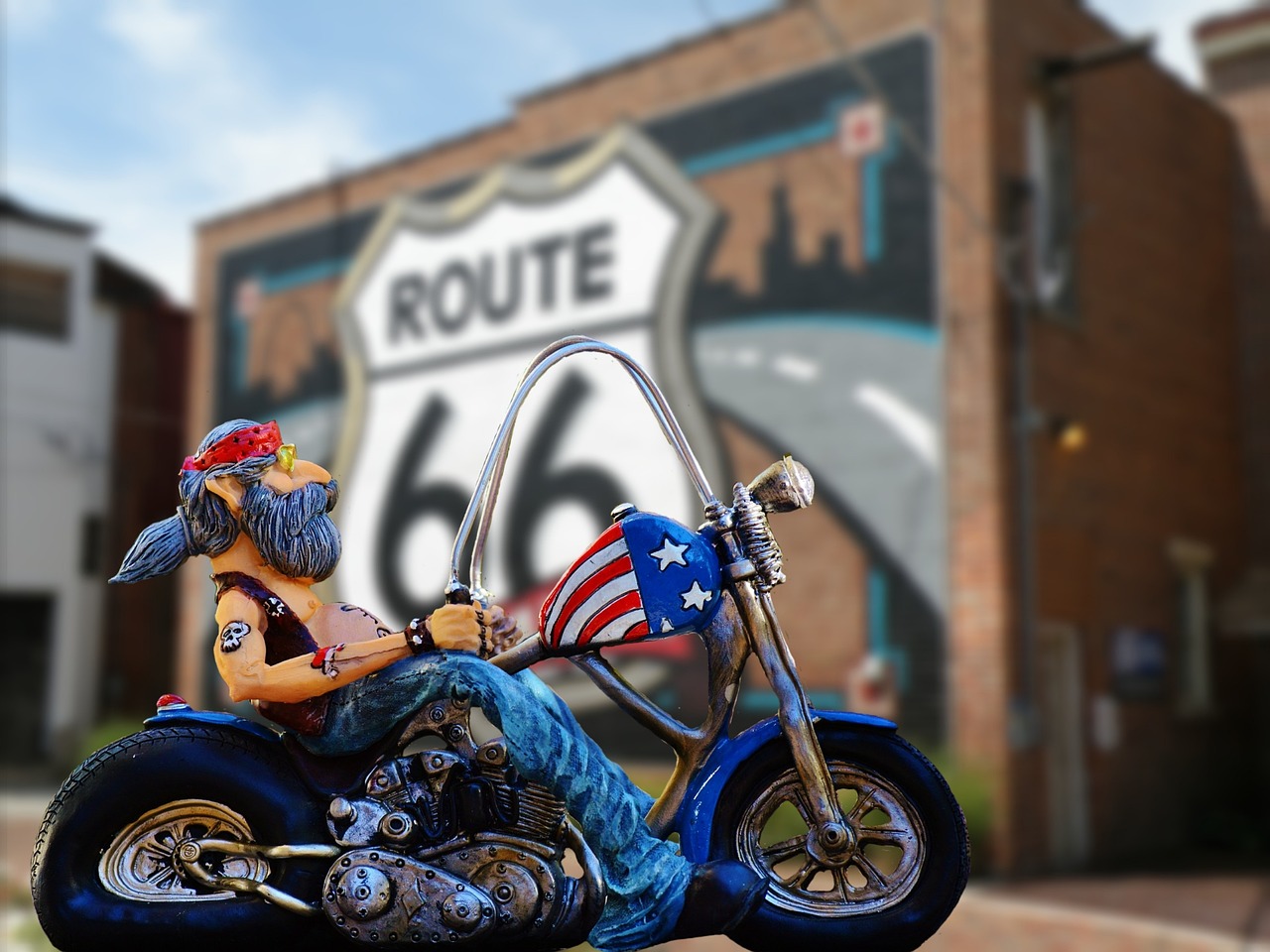
There is no road in the world quite like Route 66, and there is no car quite like a Cadillac to drive it. I rented a 1968 DeVille — white, enormous, with an interior that smelled like old leather and somebody's grandfather's cigars — and pointed it east from Santa Monica toward Chicago. Sixteen days later, I understood something about America that no airport has ever shown me.
The Mother Road is a ghost, but a friendly one. Whole towns have been bypassed, boarded up, left to the wind. And yet every one of them has at least one diner still open, one gas station with a hand-painted sign, one person who wants to tell you about the time Clark Gable slept there. The Cadillac made those conversations easier. People wave at a car like that. They walk over at gas stations. They want to know what year, what engine, whether it floats. It does float. That's the whole point.
The Cadillac Philosophy
American luxury in the sixties wasn't about lap times or Nürburgring tuning. It was about isolation. The DeVille was designed to erase the road beneath you, to turn a thousand miles of Oklahoma into a soft, humming dream. The suspension soaked up everything. The air conditioning worked. The radio pulled in stations from towns you'd never heard of, playing songs you'd forgotten. Driving it, you understand why people used to dress up to travel. The car expected it of you.
I drove long days — eight, nine hours — and never felt tired in the way I do in modern cars. Part of that is the pace. You don't speed in a car like this. You cruise. Seventy miles an hour feels like a state of grace. The other part is the ritual: the morning wipe-down of the chrome, the checking of fluids, the slow warm-up before you pull onto the road.
The Towns That Still Matter
Tucumcari, New Mexico, at night, with the neon motel signs buzzing against a purple sky, is worth the entire trip. So is Seligman, Arizona, where the old-timers sit outside and argue about whether the road can be saved. So is the stretch through the Texas Panhandle, where you can drive for an hour without seeing another car and the radio dissolves into static and you realize you're alone in a way that's become rare. So is the final run into Chicago, when the road turns urban and the Cadillac suddenly looks like what it always was: a machine for a country that believed in bigness.
If you go, go slowly. Stop at the roadside attractions. Buy the postcards. Eat the pie. The Mother Road rewards the people who aren't in a hurry, and a Cadillac, more than any car I know, is built for exactly that kind of traveler.